
The Moral Consequences of Empire
Quo VadisThis thematic thread follows the costs of Roman supremacy, from the exploitation of conquered peoples to the challenge posed by Christian equality.
increasing Bearing strength in each event
 decreasing
Bearing strength in each eventdecreasingEmpire’s Many Peoples
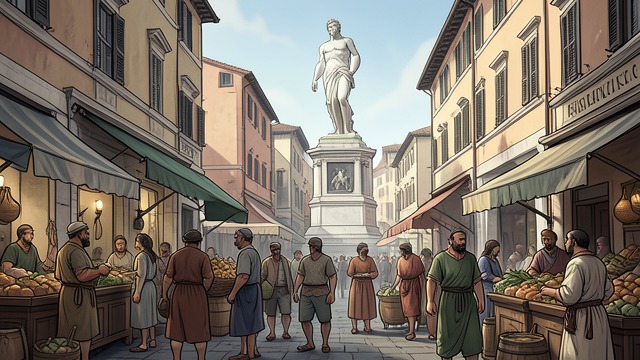
Empire’s Many Peoples
Diversity under Roman rule
People from distant lands crowd Rome as traders, visitors, workers, and enslaved captives.
Power is unevenly shared
The city’s variety rests on conquest and the unequal movement of wealth and people.
A Lygian Hostage
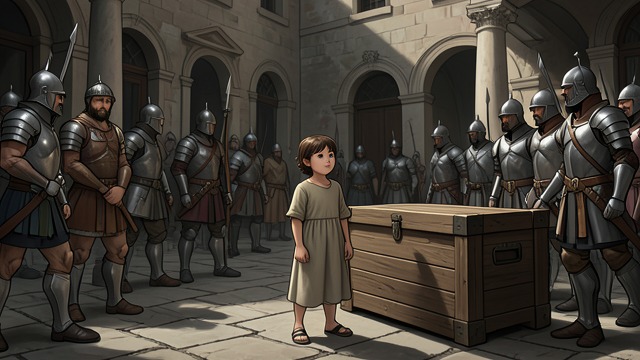
A Lygian Hostage
Frontier politics reach a child
Lygia’s family becomes part of Roman diplomacy, placing her life under imperial custody.
The conquered remain human
Her personal story exposes the human cost concealed by official language about borders and security.
Christian Equality
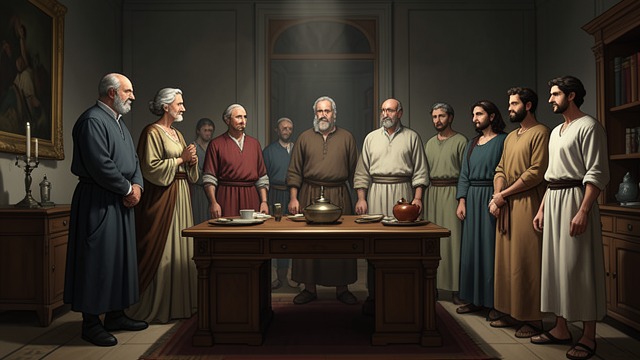
Christian Equality
Status loses moral finality
Paul teaches that masters, servants, peoples, and rulers remain answerable to a God who calls them to love.
Rome’s social logic is challenged
Vinicius recognizes that Christianity could unsettle the distinctions on which Roman supremacy depends.
Persecution Defends Hierarchy
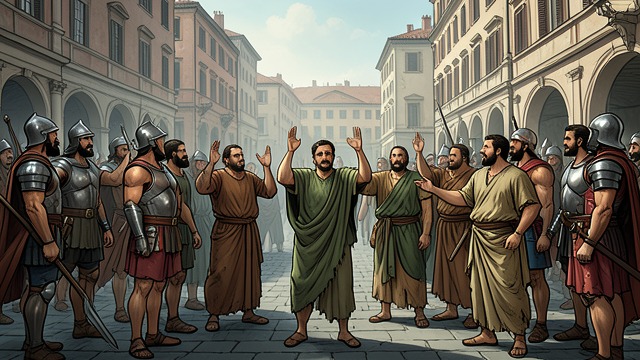
Persecution Defends Hierarchy
Belief is treated as disloyalty
Christians who refuse the emperor’s divine status become suspect and vulnerable to punishment.
Power protects its symbols
The regime treats religious conformity as a condition of civic obedience.
A Universal Community
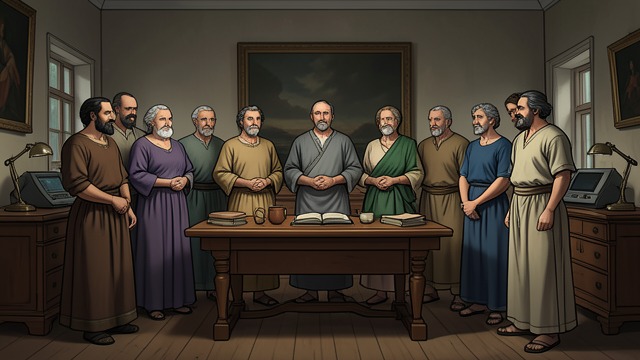
A Universal Community
Believers cross imperial boundaries
Vinicius imagines a Christian household and community that includes people once separated by rank and origin.
Empire’s claim is relativized
The story presents a fellowship that can spread beyond Rome’s political dominion.
During the Roman Forum scenes
After the war involving Vannius and his relatives
During Paul’s teaching in Antium
After Christians refuse public imperial worship
In the novel’s final letter from Sicily
